
YOUTH TAKES: AFFORDABLE HOUSING
By Ivie Tran, Nashville Youth Design Team Alum
4 min read Nashville Youth Design Team alumni, Eseosa, Ivie and Luc, summarized and analyzed the Design Your Neighborhood Advocacy Podcasts from the 2025-2026 school year. The students’ major issue areas focused on affordable housing, transportation, and parks. The following blog is part of a series that demonstrates what middle school students learned about their focus issue, but more importantly, it showcases their “take” on how it is affecting Nashville and particularly how it is affecting young people.
Nashville’s housing crisis has become a major issue to the city’s population over the last two decades. Current residents struggle to find housing not only due to economic reasons, but from the influx of newcomers moving into Nashville. As Nashville’s population grows by at least 80 people a day, the city finds itself unable to provide enough homes and the infrastructure to accommodate for this rapid growth. This contributes to the lack of available housing while continuously driving up the costs. Those who are lucky to find housing appear to be forcing out people from already established communities. As a result the increased demand for affordable housing is causing a divide between newcomers and already defined communities. This past school year, students at Isaiah T. Creswell Middle School Of The Arts, Isaac Litton Middle School, and Oliver Middle School explored the issue of affordable housing and its impact on youth in Nashville through participating in the Neighborhood Advocacy Podcast project.
The Problem
Youth Commutes are Getting Longer Too
“Housing is very expensive, so a lot of people end up spending way more than 30% of their money just to have a place to live… it does change their life because if they’re spending that much on housing, they have less money for things like food, healthcare, or even just fun stuff so it can make things a lot more stressful.”
Currently, inflation levels are unsustainably high and the effects of skyrocketing prices are harmful to vulnerable communities throughout the city. Students at Oliver Middle School point out that the problem is not just higher prices: “Over the [past few] years, rent prices in Nashville have been rising faster than many wages. That means young adults are often struggling with housing getting more expensive by the year.” While their family’s paychecks stay the same, rent continuously increases for low-income communities. The increase in rent and house prices leave families with few options, “for me and a lot of students I know, it means living farther from work or campus. Some people commute long distances just to afford housing.” Creswell Middle’s “Nashville Rent Report” addressed the same issues in their podcast. Other groups, like Oliver Middle’s “Housing Reformation” and “The Backyardigans” also pointed out the strain this has on families being able to buy basic necessities like food, clothes, and paying bills.
Youth Lose their Connection to Community
While the cost of living in Nashville rampantly increases, students point out the impact it has on the community. Neighbors lose their connection with fellow neighbors forced to leave while watching the cost of the neighborhood rise. In “Nashville Neighborhoods,” Isaac Litton students talk about what makes a safe neighborhood including “strong, community ties,” accessible transportation, and neighborhood watches. They emphasize the importance of knowing your neighbors as a way to improve community safety and the importance of “a trust bond between the people and the neighborhood.” When youth feel less of a connection to their community and neighborhood, they can feel especially vulnerable around their homes. One of the hosts of Oliver Middle’s “Giggle Brain” shared his own experience with feeling unsafe: “At my old apartment, it had a lot of crime that happened… and the prices that had my family desperate, making me more nervous [to be] outside.”
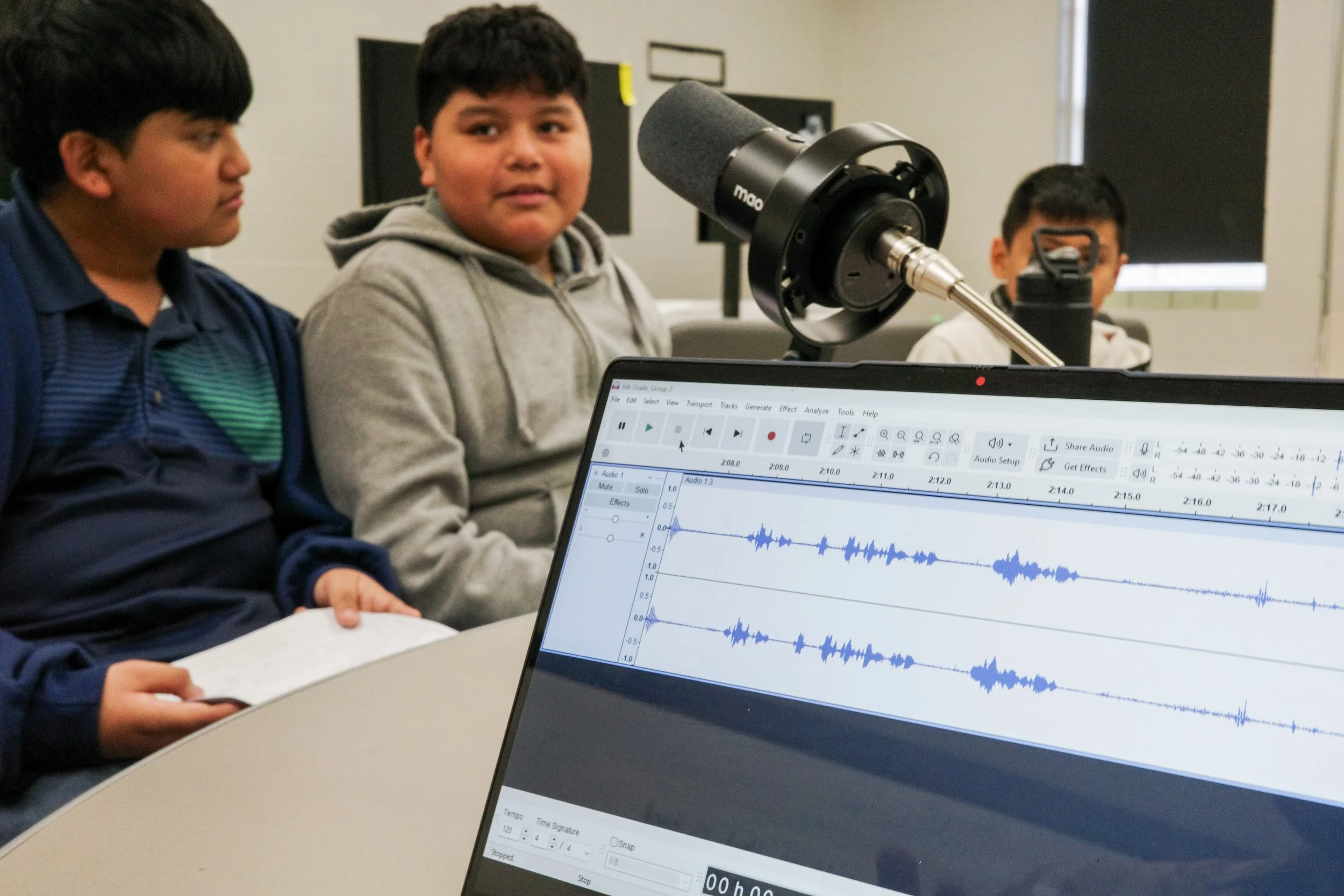
Gentrification was a concern for many of the groups, including members of “We Are a Single Mother” who are worried that as expensive new housing is being built, current residents are “having to move out just to accommodate… all these new people coming in, which disrupts the community that we have.” Oliver Middle’s “Society Spectrum” podcast discusses the setbacks youth will face in their education and careers without stability in their childhood. Oliver Middle “Who Knows” podcasters point out similar issues, questioning whether they will be able to “stay in the city [they] love,” proving that youth across the city face similar struggles. Oliver Middle “Group 6” students share, “if young people can’t afford to stay, cities lose their next generation of workers, leaders and community members.” They sum up just how important this is for both young people and the city of Nashville, “so what we’re really talking about isn’t just housing, it’s belonging, opportunities, and the future of Nashville.” Middle schoolers at Isaac Litton and Oliver Middle use their first hand experience to point out the importance of preserving homes and focusing on affordable housing rather than continuing to build expensive housing, which they associate with displacement and its ripple effects on youth.
Youth concerns go beyond their own experience
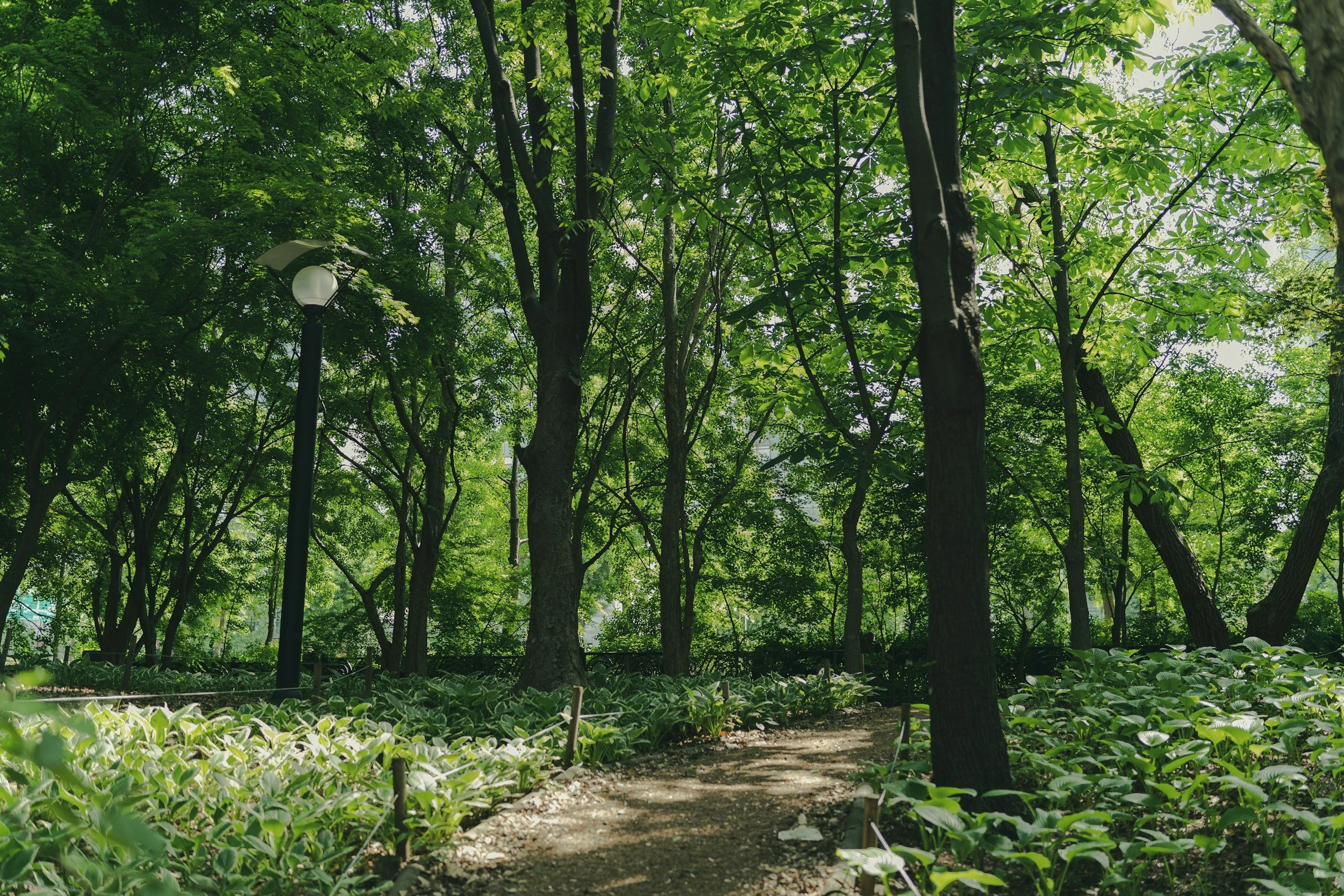
Another issue brought up in several podcasts is the environmental impact of the affordable housing crisis. This includes longer commute times and traffic congestion resulting in increased carbon emissions, and the construction of new buildings and roads destroying habitats for wildlife. “Another problem that we see with the new affordable housing is that it’s disrupting our tree canopies which causes the animals like deer to move into the streets”, a youth representative from “Nashville Rent Report” claims. A common solution proposed by several podcast groups was developing and expanding more parks. “Parks play a crucial role in environmental stability by managing storm water, reducing flooding, and filtering pollutants from the air and water. Trees and vegetation in parks remove toxins from the air supporting biodiversity and providing habitats for wildlife”, explains a host of Isaac Litton’s “Brick by Brick” podcast.
Others proposed creating more opportunities for multifamily housing. “Single-family homes take way more energy to build and maintain, and they also have higher living costs. With more people living on a smaller plot of land, well-planned multifamily housing can also help preserve undeveloped land that is habitable for wildlife”, another representative from “Brick by Brick” claims. This highlights the challenge of protecting the environment and our resources while accommodating the need for more housing options.
The Importance of Affordable Housing
Oliver Middle’s “Group 6” podcasters emphasize the big-picture importance of stable housing, “housing is one of the biggest factors in shaping long-term opportunity. It influences education, job access, and financial stability.” Oliver Middle’s “Society Spectrum” also shares the benefits of affordable housing for youth, including “preventing youth homelessness, creating long-term independence, and [helping] them get a better education and life outcomes.” As these youth recognize, housing stability can have far-reaching impacts on young people’s futures.
Solutions and Advocacy opportunities
Increase Supply with Improved Public Transit
One solution for the affordable housing crisis includes building new houses. However, creating new housing without accounting for their support in transportation can lead to heavier traffic. It can also make communities feel more unsafe and lead to a lower quality of life. Creswell Middle describes youth’s concerns about traffic from the dependence of cars. They advocate for “building sidewalks” and homes closer to public transit options. Improving transit routes and walkability would make it so that people who can’t afford to live near their workplace can continue to commute instead of moving away, encouraging churches and organizations to donate land to use for affordable housing, having schools provide education and resources on the issue, and creating more multi-family housing. “Multifamily homes or apartments allow for people to be close to city buildings: grocery stores, shopping centers, etc, and also use less city infrastructure: roads, pipes, streetlighting, etc.” a member of “Group 3” explains.
Zoning Policy Changes
Nashville notoriously has strict zoning laws that separate residential housing from other building uses. Due to these restrictions, it can be difficult to place new housing in different locations, leading to clusters of neighborhoods. Students discuss on “Who Knows” how most housing zoning is limited to single family homes, which “limits the ability to build apartments and multi-family homes.” When there is a lack of diverse housing, it is difficult to accommodate those that have different needs and economic statuses in their house.
Support Housing Organizations and Raising Awareness
Another possible solution for the housing crisis proposed by several podcast groups involves supporting organizations such as the MDHA, which helps provide affordable housing opportunities to low and moderate income families, and Rebuilding Together Nashville, who helps existing homeowners pay for repairs, preserving affordable housing and allowing residents to remain in Nashville instead of being forced out when their housing situation becomes unsafe. “It’s not just about building new housing, it’s about protecting what we already have”, says one youth from the Oliver Middle “Who Knows” podcast.
These are great solutions, but many young people don’t have the resources or power to enact them. According to several podcast groups, there are still things we can do. “Young people can help with affordability by creating fundraisers and raising money to help families who are suffering from the affordable housing issue”, and “by bringing awareness to it, because it might help people that have the power to make the changes to hear from the youth that’s being directly affected”, explains a youth representative from “Nashville Rent Report.”
Stay tuned for the next installation of podcast analysis!