

Explore the Blog
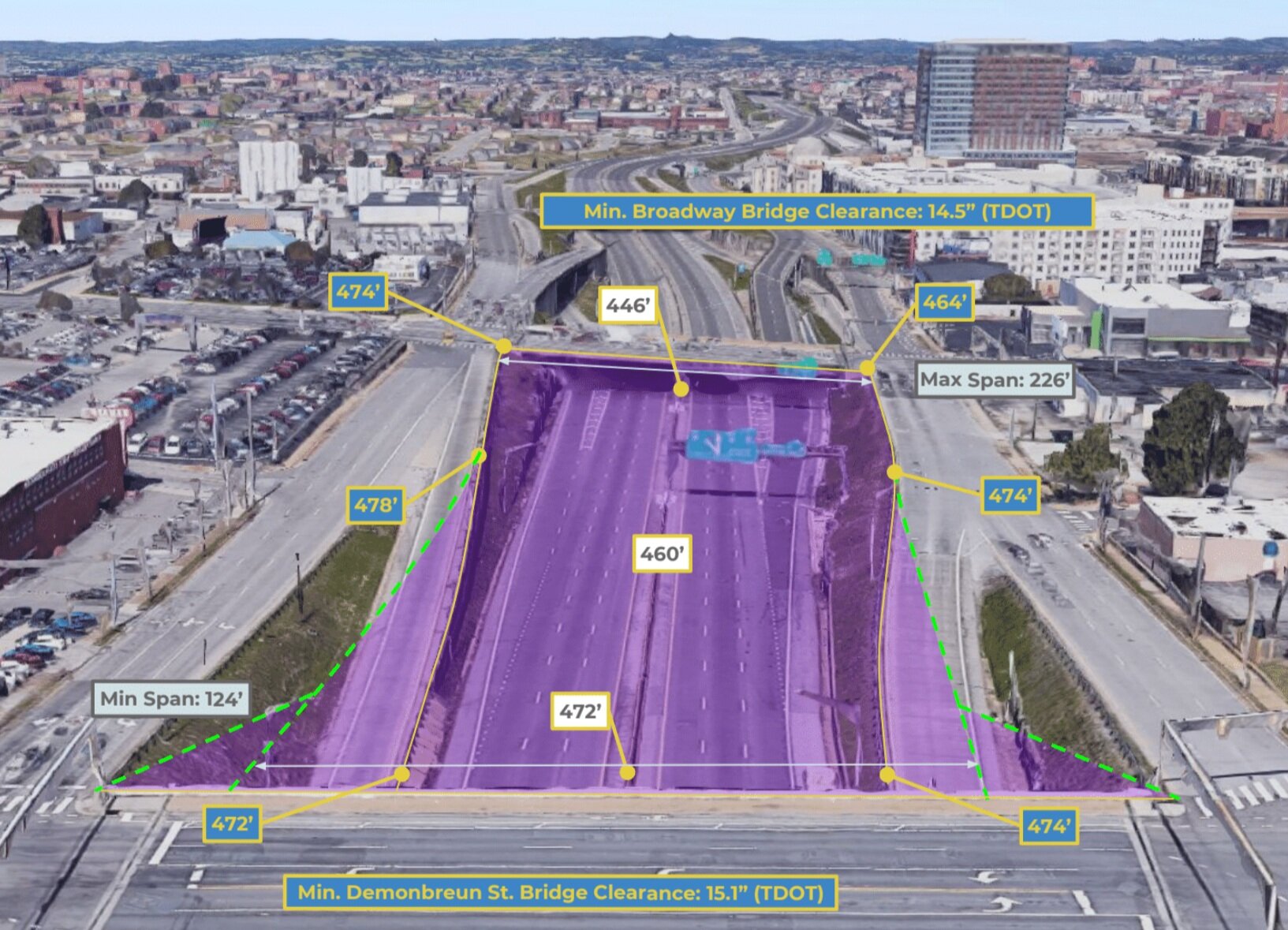
Capping The Interstate
Cities across the US are revisiting the functionality of interstate highways in downtown areas to better connect neighborhoods bisected from mid-century infrastructure. Areas with existing interstates below the grade of a city’s primary street grid have the potential to be capped with a more functional addition, reconnecting the two sides of the interstate. Most examples accomplish this by creating a new public space, in the form of a park, or by constructing a larger bridge to accommodate new liner buildings.
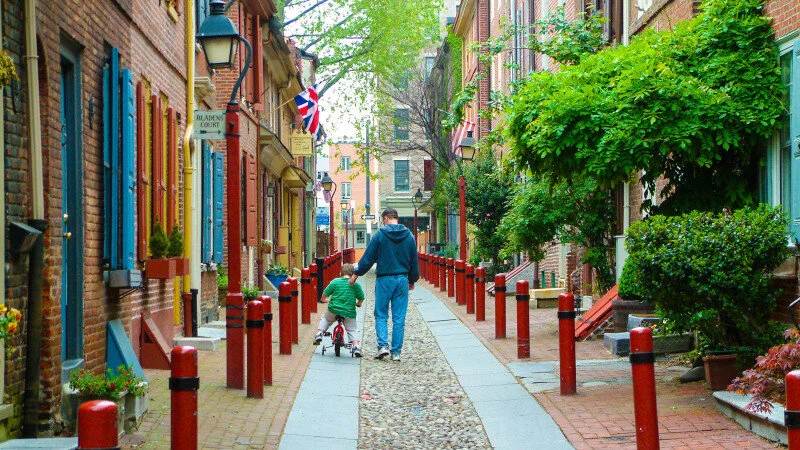
Publication: Alleyways of Nashville
Envisioning strategic solutions for activating Nashville's alleyways for pedestrian benefits
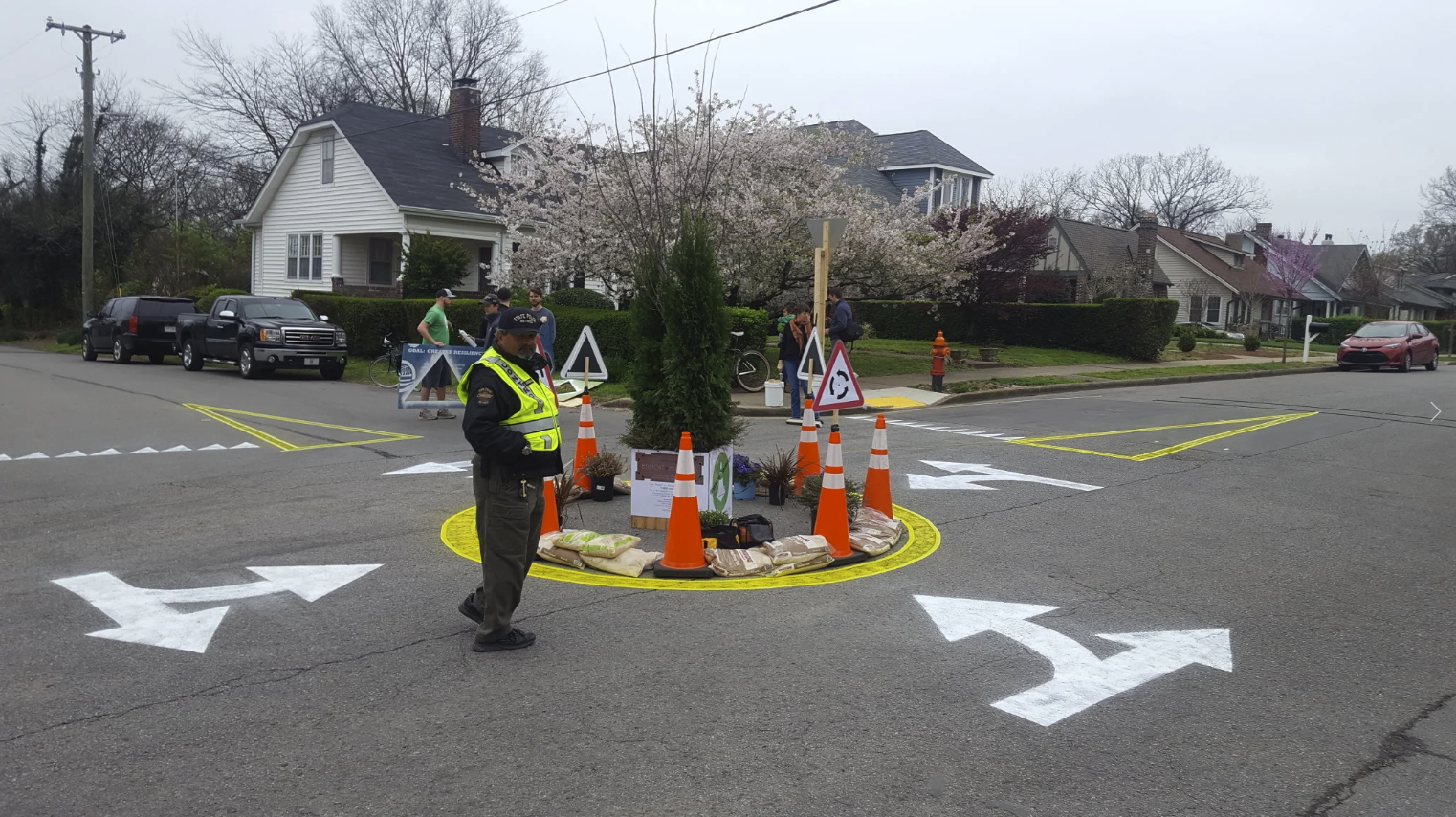
Belmont-Hillsboro Traffic Calming

Dreaming Big for Public Space (Part 3 of 3)
Dreaming Big for Public Space, An Alternative Choice for Church Street Park was created to spark conversation about how one of Nashville’s most central parks should be redesigned and celebrated as a gathering place in Downtown.

Dreaming Big for Public Space (Part 2 of 3)
Dreaming Big for Public Space, An Alternative Choice for Church Street Park was created to spark conversation about how one of Nashville’s most central parks should be redesigned and celebrated as a gathering place in Downtown.

Dreaming Big for Public Space (1 of 3)
Dreaming Big for Public Space, An Alternative Choice for Church Street Park was created to spark conversation about how one of Nashville’s most central parks should be redesigned and celebrated as a gathering place in Downtown.

Publication: Reclaiming Public Space In Downtown Nashville: Vol. 2

John Cooper’s Mayoral Candidate response to The Plan of Nashville’s 10 Principles
NCDC asked Nashville’s mayoral candidates to provide their ideas for each of The Plan of Nashville’s 10 principles, that are essential to guide public policy, development practice, urban planning, and civic design. This serves as, then mayoral candidate, John Cooper’s responses.

Tomato Art Festival
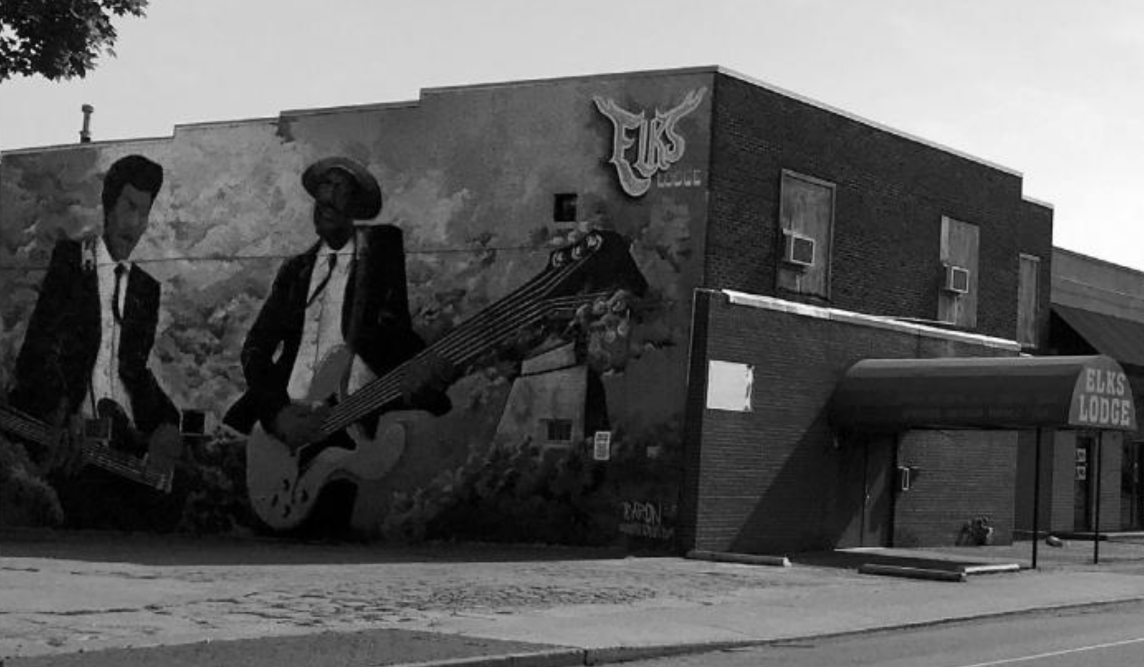
Preserving History & Culture in The Jefferson St corridor
Over the last two decades the city of Nashville has experienced unprecedented growth. According to population estimates by the U.S. Census Bureau, the region grew by an average of one hundred people, per day, over a twelve-month period, ending in July 2016. Due to population increase, among additional factors, Nashville neighborhoods have enjoyed rapid development. Some neighborhoods, however, have remained stagnant. The Jefferson Street corridor is one of many unique communities in Nashville that, despite historic contributions to the city’s culture and history, has not shared in recent growth. From the booming music venues to esteemed colleges and universities, this neighborhood has been a vital part of making Nashville the “it” city it is today. Despite its historical significance, some development around Jefferson Street has further stalled growth. The 1960s construction of the I-40 interstate bisected the corridor’s main commercial district. Since then, the neighborhood has struggled to recover.
Publication: Fairgrounds Public Meetings Report
The Design Center facilitated a series of public meetings with the Fairgrounds Design Team to get input in order to inform a more refined version of the Fairground Improvement Plan in Nashville.
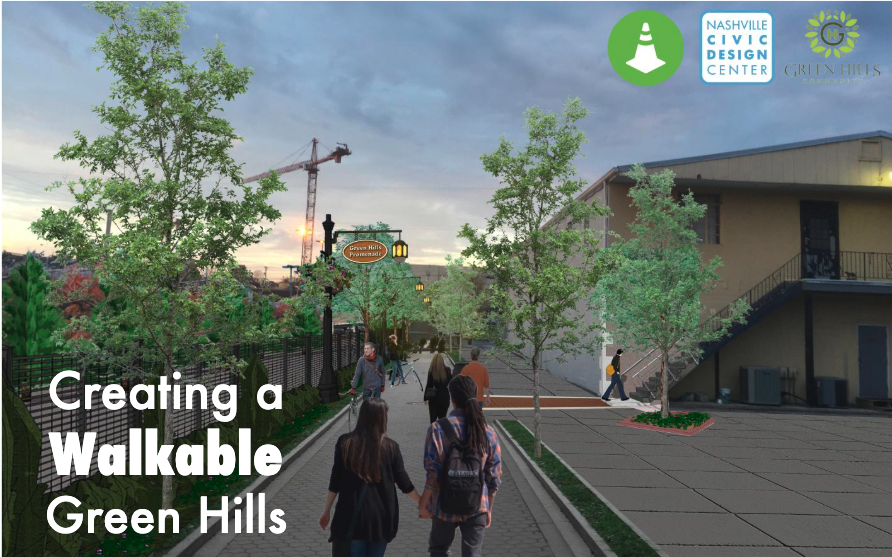
Green Hills Walkability Projects

Publication: AARP Community Challenge Grant
Using tactical urbanist methods to influence neighborhood change
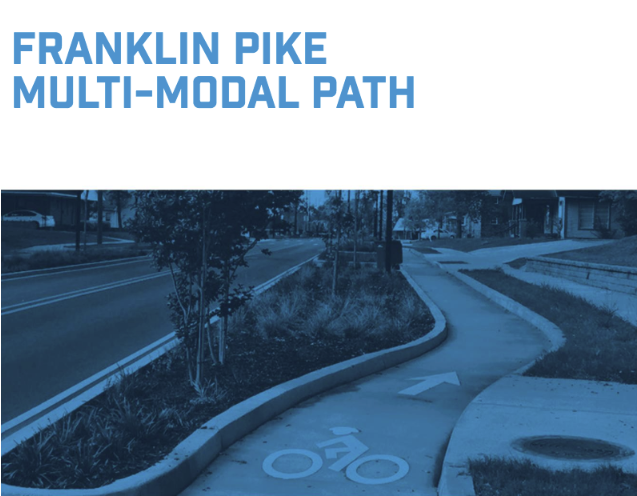
Publication: Franklin Pike Multi-Modal Path
A study of Franklin Pike exploring the possibility of new bike lanes and enhanced mobility features in Oak Hill.
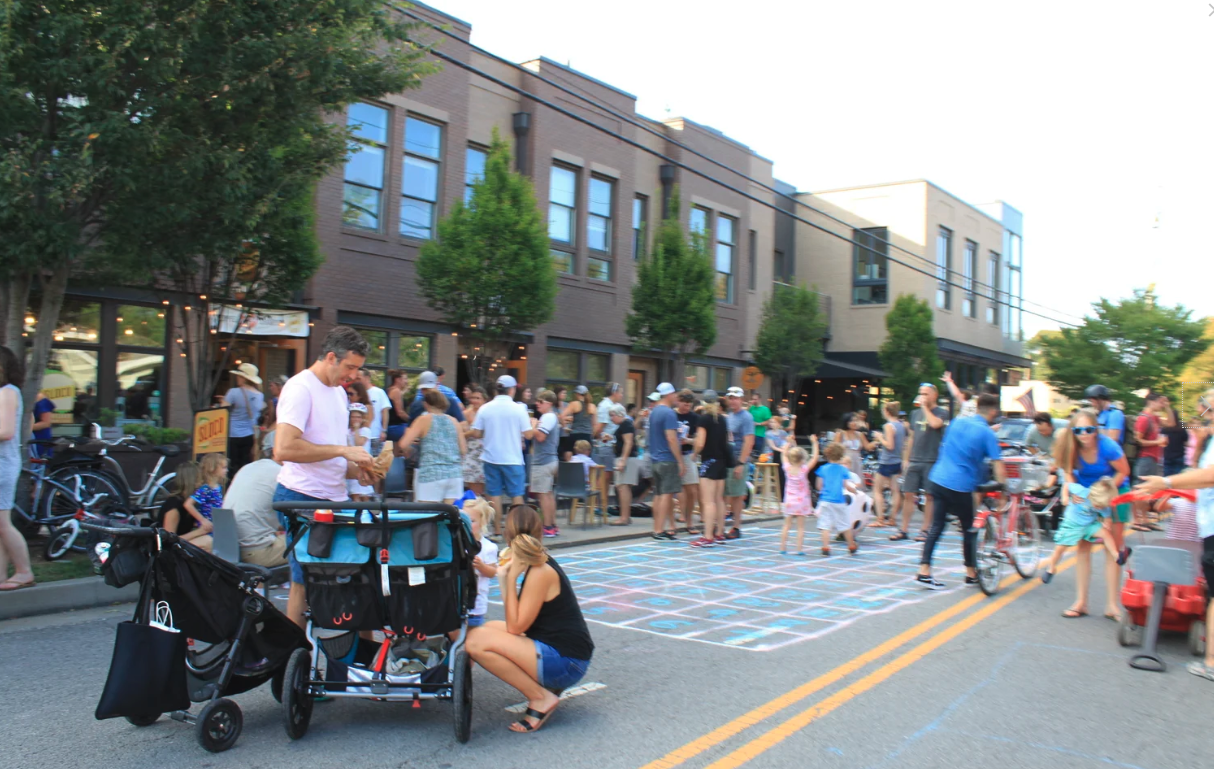
Open Streets Highlights 2015-2017
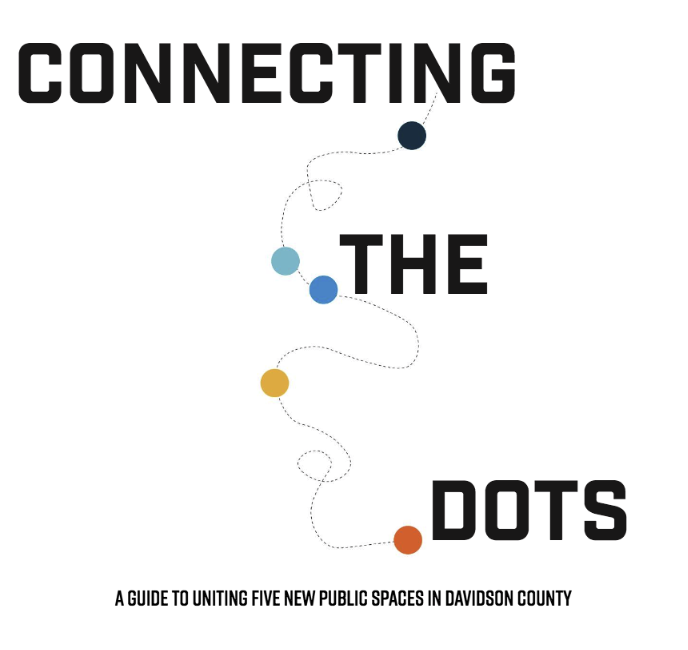
Publication: Connecting the Dots
This publication of the Civic Design Center is aimed to make us rethink how public spaces in Davidson County can be reactivated across various scales.

Change on 51st Ave

MARKET FEST PARKLET (OR LACK THEREOF)

Rear Window
Neighborhood Assessment Toolkit
As a tool towards education and active citizenship, the Toolkit offers local communities a greater voice in determining the future of their neighborhood