
What if we didn’t tear it down?
A Thought Experiment for the “Old” Titans StadiumBy Ty Tekeli, Community Member
Living in Shelby Hills, I often think about the future of the old Titans Stadium. With the new stadium underway, the plan seems clear. The old stadium will be demolished and replaced with a park along the Cumberland River.
This plan makes sense. Parks are important, and open space near downtown is limited. As someone who owns a design company, I also understand how difficult it can be to reuse large concrete buildings.
Still, I cannot help but ask a different question. Not to oppose the plan, but to explore another idea.
What if the old Titans Stadium wasn’t demolished? What if it became something entirely new?
Cities are shaped by layers of history. Buildings, streets, and public spaces tell stories about different periods of time. When we remove large structures, we also remove part of that story. The Titans Stadium is not just a sports venue. It represents a chapter in Nashville’s growth and how the city once imagined its future.
When I look at the stadium, I do not see just an old building. I see a large riverfront structure with existing infrastructure, access, and a strong place in the city’s memory. Instead of treating it as something to remove, I wonder what could happen if we treated it as a structure to reuse and adapt, while still respecting its history.
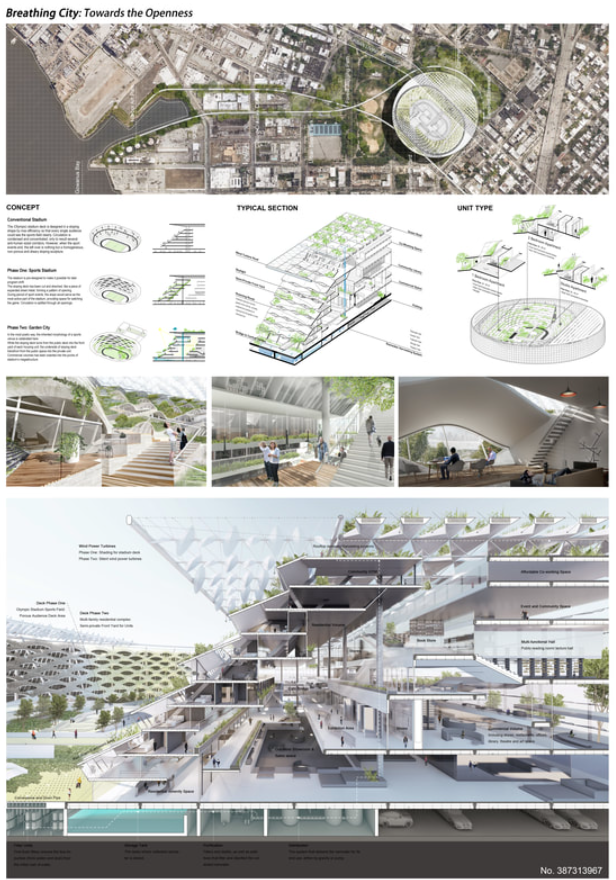
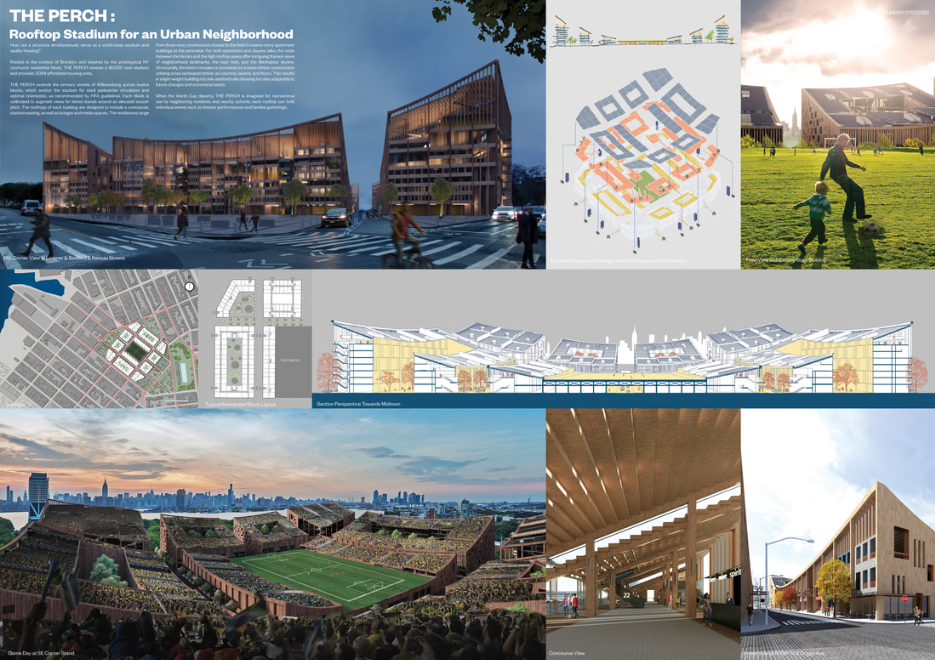
This idea is not only theoretical. Designers around the world have explored similar concepts. One example is the Residential Stadium Adaptive Reuse competition by Archstorming. The competition asked designers to imagine stadiums as places for everyday life, not only for large events.
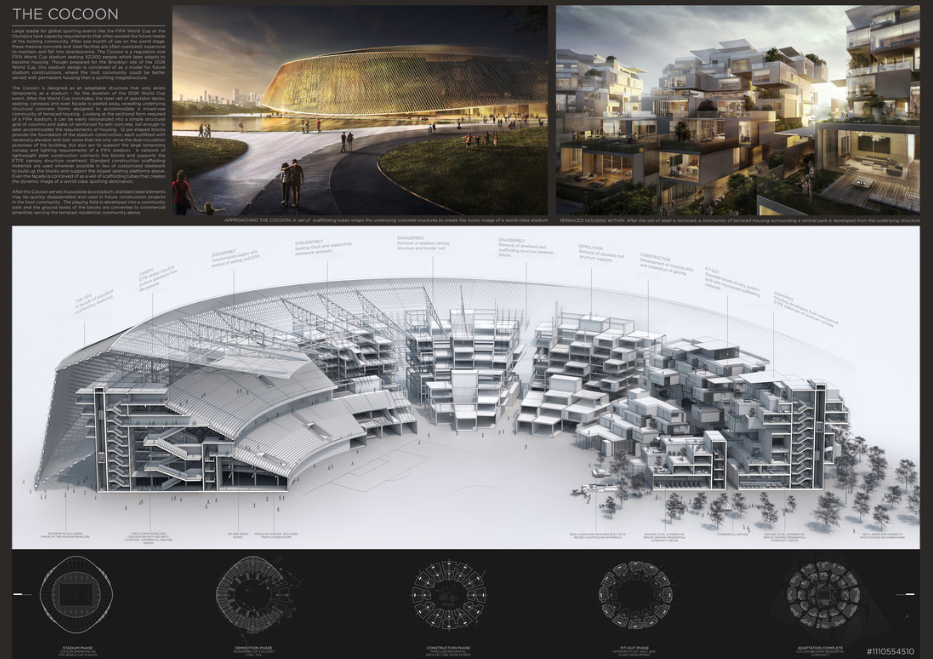
Reimagining the Bowl: Housing, Offices, and Everyday Life
Projects like Breathing City Towards the Openness, The Perch Rooftop Stadium for an Urban Neighborhood, and The Cocoon (seen above) show how stadiums can become housing, workspaces, and shared public spaces.
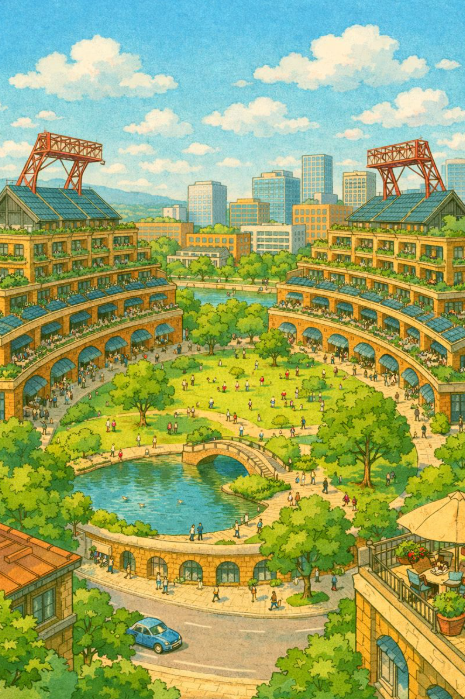
If we apply this thinking to Nashville, we can imagine carving into the existing structure instead of tearing it down. Parts of the seating could become terraced housing overlooking the former field. The concourse could support cafes, small shops, and local businesses used by neighbors every day. Upper levels could become flexible office or creative spaces, which are especially useful for small firms and startups.
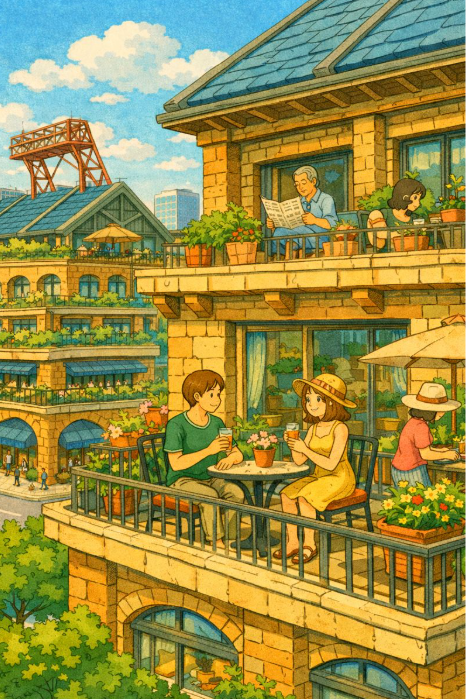
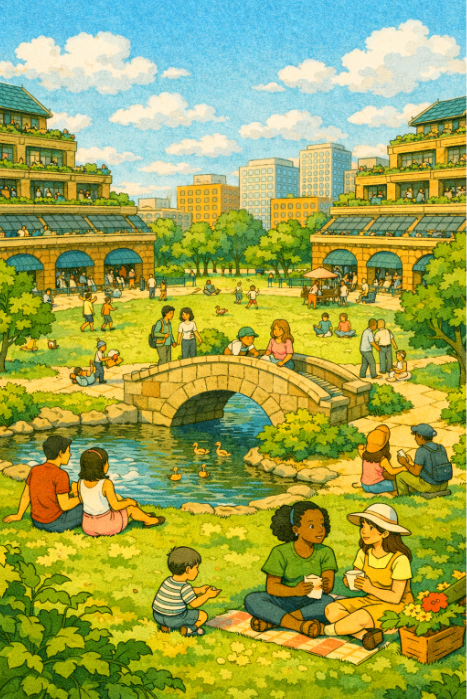
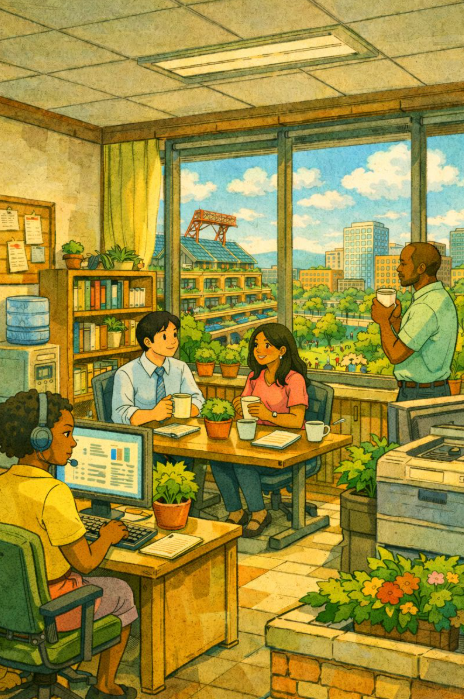
At the center, the field itself could become the park. A sunken green space, surrounded by architecture, could host daily activities, markets, and community events. It would feel different from a typical open park. More protected, more defined, and more connected to the buildings around it.
A Conversation Worth Having
This idea is not about saying the current plan is wrong. It is about asking what kind of city we want to build. Reusing such a large structure could reduce demolition waste, make better use of riverfront land, and keep a visible piece of the city’s history alive.
There would be challenges. Cost, structure, codes, and financing would all need careful work. But cities grow by asking questions, not only by choosing the easiest option.
Even if the old Titans Stadium is eventually demolished, there is value in thinking this way. These ideas help us see buildings not as temporary objects, but as part of a longer story.